You found a site in Collier County. The price looks right. The zoning works. You’re ready to move. Then someone asks whether you’ve looked at panther habitat. You nod like you know what that means, and then you go Google it.
This is a question Creek gets from developers more often than you’d think — not because the Florida panther is a mystery, but because developers aren’t sure what its endangered status actually means for a project in Southwest Florida. The short answer is yes, it’s on the list. The longer answer is the one that actually matters when you’re trying to pull permits.
Yes, the Florida Panther Is Listed as Endangered
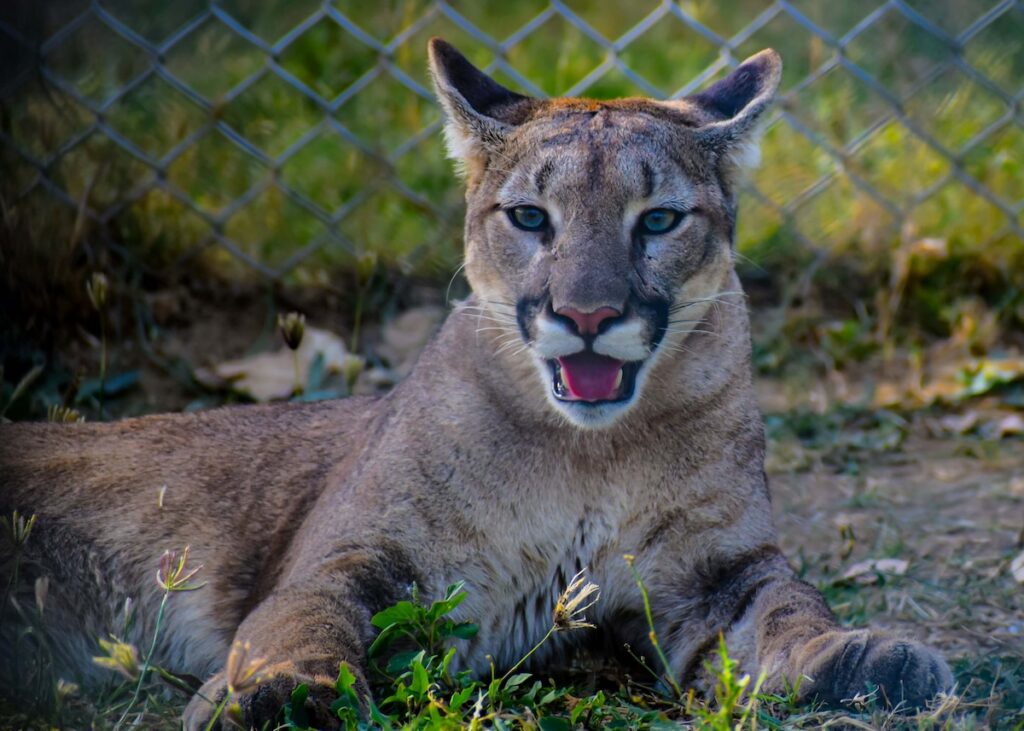
The Florida panther (Puma concolor coryi) has been listed as Endangered under the federal Endangered Species Act since 1967 — one of the first species to receive that designation when the Act was signed into law. That listing is managed by the U.S. Fish and Wildlife Service (USFWS), not the state. Federal ESA protection means it applies regardless of what Florida state regulations say on the matter.
The panther’s range is concentrated in South Florida, with documented activity in Lee, Collier, Hendry, Glades, and parts of Charlotte County — which is not a coincidence if you’re a developer working in Creek Engineering’s service area. This isn’t a species that exists only in preserves. Panthers move through active development corridors, and their habitat overlaps with some of the fastest-growing real estate markets in Florida.
What “Endangered” Actually Triggers for a Development Project
Endangered status under the ESA means that a species cannot be harassed, harmed, pursued, hunted, shot, wounded, killed, trapped, captured, or collected — and that’s the simplified version. For a developer, what matters most is the “take” prohibition, which can extend to habitat modification that significantly impairs breeding, feeding, or sheltering.
When a project is located in or near documented panther habitat, federal agencies with permitting authority — primarily the U.S. Army Corps of Engineers for wetland impacts, and USFWS directly — may require consultation under Section 7 of the ESA. That consultation can result in a Biological Opinion, project conditions, or mitigation requirements. None of those are fast. None of them are cheap. And none of them are something you want to discover after you’ve bought the land.
Why This Shows Up in Environmental Surveys — Not as a Standalone Product
Here’s where Creek’s approach matters. A Florida panther assessment is not a separate service you order the way you’d order a gopher tortoise survey. It’s integrated into Creek’s standard Environmental Survey, which covers the full range of federally and state-listed species through a combination of online database searches and on-site visual assessment.
That structure isn’t arbitrary. Panther documentation starts with habitat characterization — FLUCCS mapping, vegetation type, connectivity to known corridors — and that work is already happening as part of the survey. Pulling it out as a standalone would give you half the picture. The environmental survey gives you the complete one: what’s present, what’s potentially present, and what agencies are likely to ask about when you submit your permit package.
For sites in panther-documented areas, what the survey findings trigger next depends on the project scope, acreage, and which agencies have jurisdiction. That’s a conversation that happens with Creek’s team after the survey is complete — not something a checklist can answer.
The Southwest Florida Counties Where This Comes Up Most
Not every project in Creek’s service area carries the same panther exposure. The species’ documented range is concentrated in Collier, Lee, and Hendry Counties, with lower-density activity farther north. Developers working in Charlotte and Sarasota Counties encounter it less frequently, though habitat connectivity maps do extend into those areas for certain corridor parcels.
In Collier County specifically — where the Florida Panther National Wildlife Refuge is located — panther habitat is a routine permitting consideration on larger commercial and mixed-use projects. In Lee County, the picture depends heavily on where the parcel sits relative to documented corridors and existing development.
The honest answer is that without a survey and a current database pull, you don’t know where your site falls. That uncertainty is exactly what an Environmental Survey is designed to eliminate before you’re deep into design.
What to Do Before You Close on the Land
If you’re evaluating a site in Collier, Lee, or Hendry County — or anywhere adjacent to Florida Panther National Wildlife Refuge or documented panther corridors — panther habitat is a due diligence item, not an afterthought.
Here’s how to approach it:
- Order the Environmental Survey before closing. Creek’s survey covers the full species inventory including panther habitat characterization. If the site has exposure, you want to know what you’re working with before you own it.
- Cross-reference the survey findings with your project scope. Panther habitat alone doesn’t kill a project. The question is what mitigation, consultation, or design constraints it generates — and that depends on what you’re building.
- Don’t assume county zoning clears you. ESA protections are federal. A county building permit doesn’t resolve a USFWS consultation requirement.
- Factor agency timeline into your schedule. Section 7 consultations can take months. If your project has ESA exposure, build that into your permitting timeline before you set a construction start date.
The Creek Approvable Concept package is designed for exactly this situation — it gets you to a pre-application meeting with the relevant agencies, including documentation of any panther habitat considerations, before you’ve committed to a full design contract. If you’re looking at a complex site in South Florida, that flat-fee package is cheap insurance against a six-figure surprise.
If you’re developing in Southwest Florida and you’re not sure what species exposure your site carries, that’s the conversation to have before anything else. Creek Engineering’s Environmental Survey covers Florida panther habitat assessment as part of the standard package — no separate order required.
Call Creek at (941) 624-6425 or visit creekeng.com to get started. If your project has environmental complexity, ask about the Approvable Concept pre-application phase.