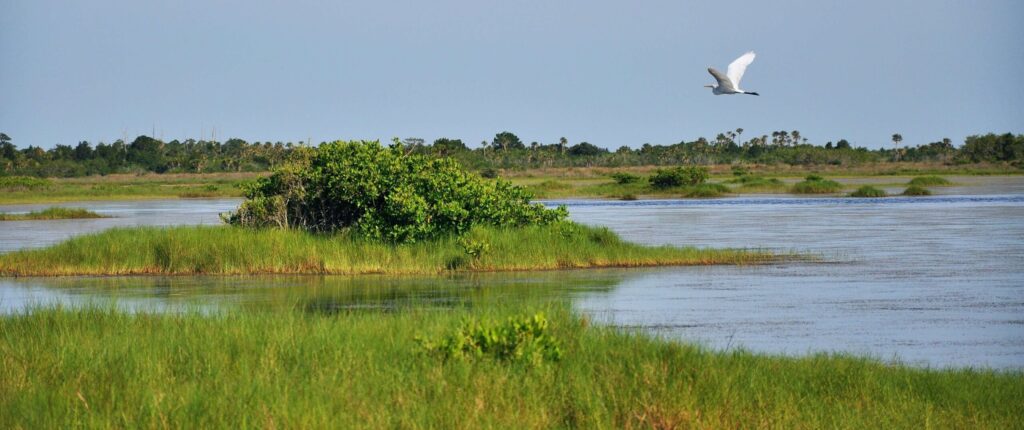
For over twenty years now, Creek Engineering has worked as the trusted partner for commercial and residential developers navigating the unique challenges of building in Southwest Florida’s wetlands. With plenty of experience in geotechnical testing and environmental engineering, we can ensure the specific needs of our clients are met.
If you’re looking to dig further into the Florida building industry, then Creek is the go-to environmental engineering consultant you need for building in a wetland area of Southwest Florida. From understanding the necessary regulations to managing permits and mitigating environmental damage, we can help you build successfully.
Here’s what you need to know about building on wetlands in Florida.
How To Build On Wetlands In Florida
Wetlands are environmentally protected lands that can’t be built without certain preparations and permits ahead of any construction project. Given the natural coastal landscape of the Sunshine State, many available parcels of land in southwest Florida have some amount of wetlands in them, with some even being entirely wetlands. This is when an ecological consultant becomes so crucial.
You can build on wetlands in Florida, but you are going to be under strict regulations from the state and federal government to protect these ecologically valuable areas. Your project manager will need to minimize your impact on the environment as best as possible.
Elimination and Reduction of Impacts to Wetlands
Before you can start building, developers need to show they have considered all available alternatives to prevent or reduce impacts on wetlands. This step in the permitting process is often called “elimination and reduction of impacts”. Regulatory bodies, like the Florida Water Management Districts, the Florida Department of Environmental Protection (FL DEP) and the US Army Corps of Engineers, examine proposed areas to make sure a few guidelines are observed, including the following:
- Avoidance: Is it possible to design the project in a way that completely avoids any wetland areas? Developers should give evidence they have looked at alternative site layouts and locations that avoid wetland disturbance.
- Minimization: If avoidance isn’t possible, can developers reduce the environmental impact on the wetlands by modifying project plans? For example, is there a way reduce the footprint of the development or alter access routes to disturb it less?
- Mitigation: If impact on the wetlands is unavoidable, can the developer provide compensation, like creating or restoring wetlands elsewhere? If the wetlands cannot be avoided, mitigation is often necessary for obtaining permits.
Developers can often meet their obligations for mitigation by purchasing credits from an approved wetland mitigation bank. A mitigation bank is an established wetland enhancement, restoration, creation, or preservation project that serves to offset unavoidable wetland impacts.
Mitigation banks have been set up in Southwest Florida to provide true ecological benefits, allowing developers to contribute to long-term wetland health and biodiversity. However, developers will be expected to minimize impacts during the construction process, mitigation notwithstanding.

Wetland Delineation Services | Southwest Florida
Residential & Commercial Property Evaluations
What Laws Protect Wetlands?
In Florida, wetlands are protected by a whole host of both federal and state laws to regulate how they can be used and developed. Developers should learn about how the following key legislation applies:
- The Clean Water Act (CWA): Also known as the Federal Water Pollution Control Act of 1972, this federal law regulates the pollution of US waters, including wetlands. Section 404 of the CWA requires permits for dredging or filling wetlands. Overseen by the USACE, this establishes standards for protecting water ecosystems.
- Florida’s Environmental Resource Permit (ERP) Program: Florida’s state program, overseen by the FL DEP and water management districts, is designed to ensure development activities do not harm water resources and wetlands. This includes a State 404 program that developers must adhere to independent of federal 404 provisions.
- The Florida Wetlands Protection Act: Also known as the Warren S. Henderson Wetlands Protection Act of 1984, this act reinforces federal regulations with additional safeguards for wetlands, focusing on conversation and sustainable development.
- Endangered Species Act (ESA): Many Florida wetlands are habitats for endangered or threatened species, and being compliant with ESA requirements helps developers protect them. For instance, if a planned development area is found to be home to a protected species like wood stork, further mitigation measures may be required.
The above is not the comprehensive list of regulations that apply when building on wetlands in southeast Florida. However, they should be taken seriously, as failing to follow them can result in fines, legal action, as well as restoration orders.
Developers should also be aware of local ordinances that may come with additional restrictions on wetland use.
When Is A Wetland Jurisdictional?
Under the Clean Water Act, wetlands are considered jurisdictional if they meet certain criteria that fall under the regulatory authority of state or federal agencies. Working out whether a wetland is jurisdictional is vital for finding out which regulations apply to you. These include the following criteria:
- Hydrology: The area has water present at or near the surface for a sufficient duration to create wetland conditions. This can include indicators such as seasonal flooding or consistent saturation of the surface.
- Vegetation: There is hydrophilic vegetation present in the area. Examples such as cypress trees, cattails, and sawgrass can indicate wetland characteristics as these plants have adapted to thrive in wetland conditions.
- Soil: The presence of hydric soils, which are soils saturated long enough to create anaerobic conditions, is a good indicator of wetland conditions. Soil sampling and analysis are usually done to determine this.
If a wetland falls under these criteria, then it is likely jurisdictional, and developers are most likely going to require permits. It’s worth noting that even if a non-jurisdictional wetland doesn’t fit these criteria, you may still be subject to some local regulations.
When Do You Need a Wetland Delineation Permit?
In Florida, developers are required to get a wetland delineation permit when they plan to build a public or private property that is either on the wetlands or when it is affected by wetlands. As the name implies, wetland delineation identifies the exact boundaries of wetlands on a property, as well as whether they are jurisdictional. This is carried out by environmental consultants or wetland scientists and is required if:
- You plan to dredge, fill, or construct in areas that may contain wetlands.
- Regulatory agencies require confirmation of wetland boundaries for development approval.
- You have to assess the feasibility of a development plan, including wetlands.
Field surveys, soil analysis, and vegetation assessments create the formal wetland delineation report that is then submitted to regulatory bodies for them to review and approve.
How Much Does it Cost to Delineate Wetlands in Florida?
The cost of delineating wetlands in Florida is going to vary, depending on factors such as the size of the project, the complexity of the wetlands, as well as the regulatory permit requirements you need to satisfy. For most residential or small commercial properties, on areas of less than 5 acres, you might be looking at costs ranging from $700 to $850.
More complex and large sites can exceed this range, going from $15,000 to $20,000 and even more. This cost typically includes field surveys, soil sampling, vegetation analysis, and report preparation.
Developers carrying out a wetland delineation should also consider further costs, like permit application fees, potential mitigation costs, and more. Working with the right professionals can help you streamline this application process and avoid unexpected costs.
Who Enforces Wetland Regulations?
Several agencies enforce wetland regulations in Florida, on both the state and federal levels. If you’re planning to build on wetlands in Florida, then you need to be familiar with them. Here they are:
- US Army Corps of Engineers (USACE): They oversee federal wetlands under Section 404 of the Clean Water Act, ensuring compliance with federal standards for wetland protection.
- Florida Department of Environment Protection (FL DEP): Managing state-level permitting through the Environmental Resource Permit (ERP) program.
- Water Management Districts (WMPs): There are five of these in Florida, each of them responsible for enforcing state regulations in regional water resources, including wetlands, such as the Southwest Florida Water Management District.
Florida Department of Environment Protection (FL DEP)
This organization plays a vital role in regulating activities affecting coastal wetlands. They run the ERP program, evaluating permit applications to ensure development projects comply with state laws. These permits are required for:
- Altering natural water flow
- Filing or dredging in wetlands
- Constructing stormwater management systems.
The FL DEP also offers guidance on mitigation strategies and works with other agencies to ensure compliance. Developers have to stay in regular contact with the FL DEP to ensure regulatory compliance during projects.
Building in Florida’s Wetlands Post Section 404 Program Pause
Currently, there is an ongoing pause in the State 404 program until further order of a court. For now, developers have to coordinate directly with the USACE for Section 404 permits.
Get Professional Guidance for Your Development Project
Navigating the regulations around building on wetlands in Florida can be intimidating. However, working with Creek as your go-to environmental engineering consultant can help you navigate all those regulations with ease. This allows you to focus on your development with minimal stress while ensuring you don’t get buried under red tape.
Click here to learn more about our wetland delineation services for Florida developers.
This article has been written, reviewed, and edited by the Creek Engineering team.
The information provided in this article is intended for general educational purposes only. Every site in Southwest Florida is different — soil conditions, regulatory requirements, species presence, and applicable standards vary by location, jurisdiction, and project type. Nothing on this page should be taken as project-specific engineering advice. Creek Engineering strongly recommends consulting directly with our team before making decisions based on any content published here.